


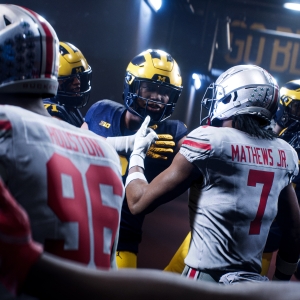




Ohio State's experience with Luke Fahey taking over after Julian Sayin's injury offers a useful lesson for Dynasty coaches: a capable backup needs a plan before he needs a highlight. While College Football 27 Coins may appeal to players exploring other parts of the game, protecting a quarterback in Dynasty starts with smart roster decisions and a manageable offense.
Give the New Starter a Working Week
Shift practice attention toward the plays the backup will actually run. Spend time rehearsing quick passes, basic protections and a small group of reliable runs. If the weekly practice plan allows you to manage wear and tear, account for the quarterback's condition before increasing his workload.
Keep the third quarterback involved, too. A few practice sessions with the same core plays can make the next injury less disruptive. Check the depth chart each week and avoid rushing the injured starter back before the game indicates he is ready.
Build Around the Backup's Strengths
A mobile quarterback with limited passing ratings can threaten defenses with movement, but repeated designed runs expose him to unnecessary hits. Use handoffs, short throws and occasional rollouts to create space. When he does run, slide or head out of bounds instead of fighting for a marginal gain.
A more accurate pocket passer offers a different answer. Favor quick reads, crossing routes and passes to running backs, with extra blockers against strong pass rushes. Avoid asking him to escape pressure on long developing plays. Both options need a dependable running game and receivers who can turn short completions into first downs.
Plan for Three Different Saturdays
Against a strong defense, shorten the game with patient drives and field position. Take easy completions, use protection adjustments and accept a punt when the alternative is forcing a throw into coverage.
Against a manageable opponent, establish an early lead with the same core offense. Give the backup controlled opportunities to throw downfield, then consider playing the third quarterback if the score permits. In a rivalry game, keep the proven concepts but add a few well timed play action passes. Protecting the passer matters even when the atmosphere encourages risk.
Protect the Future of the Position
Before using a young third quarterback, check his redshirt status and the game's current eligibility rules. An emergency appearance may be worthwhile, but track his games carefully if preserving a season is possible. Keeping him on the bench has less value than finishing a close game with a healthy quarterback.
On the recruiting trail, pursue a passer every cycle when resources allow. Look beyond overall ratings: accuracy, mobility and development potential can help establish a useful succession plan. Monitor experienced transfer options as well, especially if the roster has several quarterbacks nearing the end of their eligibility.
A steady offense gives the injured starter time to recover and the replacement room to grow. Players considering cheap NCAA Football 27 Coins can still make their strongest Dynasty decisions on the practice field, in the playbook and on the recruiting trail.