

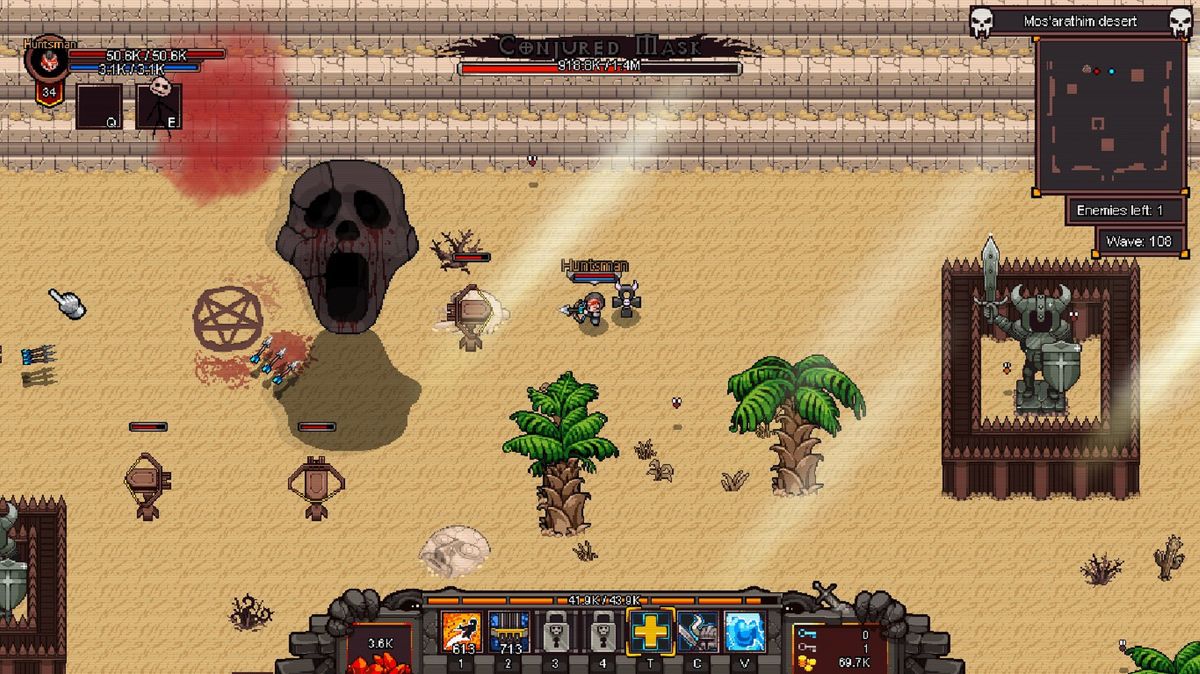
Season 10 gave Hero Siege players a free Relic Storage option, making it easier to keep useful alternatives close at hand. Whether you earn your gear through regular play or purchase Hero Siege Gold to support your equipment plans, the real value of storage comes from choosing relics that suit the fight ahead.
A single setup can carry a character through much of the game, but routine farming and difficult boss encounters place very different demands on a build. Keeping a second selection ready lets you respond without rebuilding your entire character.
Build for the Content in Front of You
When clearing ordinary enemies, speed often matters more than protection against one powerful attack. Relics that improve area damage, movement, or resource recovery can help a character move quickly between groups and keep attacks flowing. The result is smoother farming and more opportunities to collect rewards.
A boss fight may reward a different approach. The enemy stays alive longer, attacks are harder to avoid, and a mistake can cost the entire attempt. In that setting, extra durability or reliable recovery may be worth more than another small increase in damage.
That does not mean every farming relic should be removed before a boss. Start by identifying the slots that contribute least to the encounter, then compare them with the defensive options you already own.
A Practical Example for a Ranged Character
Imagine a ranged character that clears groups quickly but struggles to survive a boss's repeated attacks. For routine farming, the player favors relics that increase damage across an area and help maintain a steady pace. Those choices make sense while enemies fall before they can surround the character.
Before a difficult boss, the player swaps one or two of those relics for alternatives with useful defensive or recovery effects. Damage may fall, but the character has more room to recover after a mistake and can spend less time retreating. A longer fight can still be a better outcome if it ends in a consistent victory.
The exact relics depend on what the player finds and how the character is built. Compare the available effects in the inventory rather than assuming that a particular item will solve every encounter.
Decide Whether a Second Setup Pays Off
Free storage removes one obstacle, but maintaining two setups still has a cost. Finding suitable relics takes time, and improving or replacing other equipment may compete for the same resources. Frequent changes also take attention, especially if the two sets contain several similar items.
Keep the plan simple at first: save a few alternatives that address a clear weakness, and note which encounters justify a switch. If the defensive set turns repeated defeats into reliable wins, or the farming set noticeably speeds up routine runs, the extra upkeep is likely worthwhile.
Relic Storage is most useful when each saved item has a purpose. Players who choose to buy Hero Siege Gold can still benefit from weighing each upgrade against the time and equipment needed to maintain a practical second setup.