

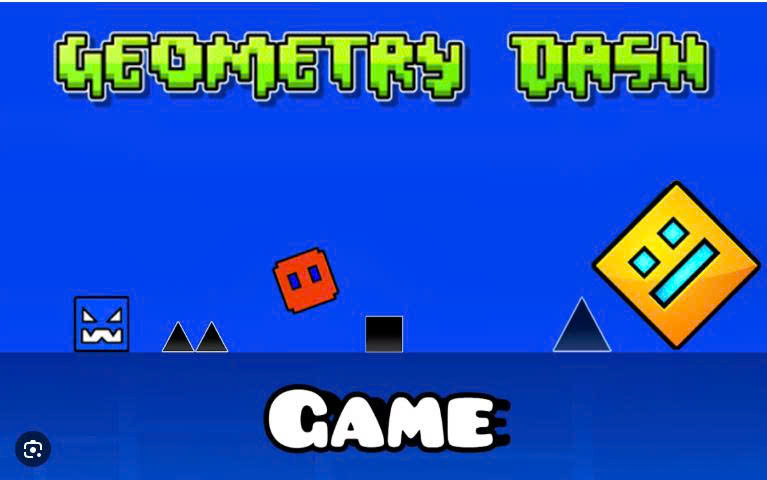
Some games ask you to explore a huge world or plan a complicated strategy. Geometry Dash takes a simpler route: move forward, watch the obstacles, and jump at the right moment. That small idea can make for a surprisingly absorbing experience. A stretch of spikes, a narrow platform, or a sudden change in direction becomes a tiny test of timing—and every attempt teaches you a little more.
If you’re new to this kind of geometry jump game, Geometry Dash is a useful example of how much personality can fit into a straightforward setup. You guide a geometric character through levels built from sharp shapes, moving hazards, and rhythmic patterns. The screen may look simple at first, but each stage asks you to pay attention, stay patient, and find a rhythm that works for you.
The appeal isn’t only in reaching the finish. It’s in learning the route, noticing a pattern you missed before, and finally clearing a section that seemed impossible a few tries ago. That makes the game a good fit for a quick break—or for a longer session when you’re in the mood to practise.
Gameplay: Read the Shapes and Follow the Rhythm
The basic controls are easy to understand. Your character moves automatically, and you tap or click to jump. The challenge comes from deciding when to act. A jump taken too early might land you in the next hazard; a late one could leave you short of a platform. Since the character keeps moving, there’s little time to hesitate.
Levels are built around this forward motion. You’ll encounter spikes, gaps, blocks, and other obstacles arranged in sequences. In some sections, the gameplay changes as the character enters a different mode, such as flying through a passage or bouncing between surfaces. These shifts keep the experience from feeling like one long series of identical jumps, while still relying on the same central skill: noticing what’s ahead and responding in time.
Music plays a major part in how the stages feel. The beat can help you anticipate a jump, especially when obstacles appear in a steady pattern. But the music isn’t a substitute for watching the screen. A rhythm that feels predictable may change, and a hazard can arrive just after you think you’ve found the groove. It’s often best to treat the soundtrack as a guide rather than a set of instructions.
One of the game’s most satisfying features is how quickly it lets you try again after a mistake. You might fail repeatedly at one tricky sequence, but each attempt brings you back into the action without a long wait. That makes practice feel approachable. Instead of losing all your progress, you can focus on what went wrong and adjust your timing on the next run.
Tips: Make Each Attempt Count
Start with observation. Before you rush into a level, pay attention to how the obstacles are spaced. Are there single jumps, or a quick pair? Does a safe platform give you a moment to reset? Even a few seconds of careful watching can make the first attempt more informative.
Use small, deliberate inputs. It can be tempting to tap repeatedly when the screen gets busy. That may work in a forgiving section, but precise sequences usually reward controlled timing. Try to make each jump intentional. If you miss, think about whether you acted too early or too late rather than simply pressing faster.
Learn one difficult section at a time. A full level can feel overwhelming when you’re still learning it. Break it into manageable pieces in your mind: the opening run, a cluster of spikes, a change in movement, and the final stretch. Once one part becomes familiar, you can give more attention to the next.
Let mistakes teach you something. Repeating the same attempt without changing your approach can become frustrating. After a collision, take a moment to remember the obstacle that caused it. Was it hidden by another shape? Did the pace change? Did you jump as soon as you saw the hazard, rather than accounting for the character’s forward motion? A small adjustment can make the next run feel different.
Take a short break when your timing slips. Repeated failure can make anyone tense. When that happens, your taps may become less precise, even if you know the route. A brief pause can help you return with a clearer head. There’s no need to turn every level into a test of endurance.
Choose a comfortable way to play. Whether you use a keyboard, mouse, or touchscreen, consistency matters more than a particular device. Pick the control method that lets you make clear, repeatable inputs, then give yourself a few tries to get used to it.
Conclusion
Geometry Dash shows how a simple jumping mechanic can grow into an engaging challenge through rhythm, visual patterns, and quick retries. Its levels reward attention and practice without requiring complicated controls. The most enjoyable moments often come from gradual progress: recognising a tricky arrangement, improving one jump, and eventually making it through the whole sequence.
If you decide to try a geometry jump game, give yourself permission to learn at your own pace. Watch the shapes, listen to the beat, and treat each attempt as useful information. The goal is not to be perfect on the first run. It’s to find your rhythm—and enjoy the little victory when the final obstacle is finally behind you.